
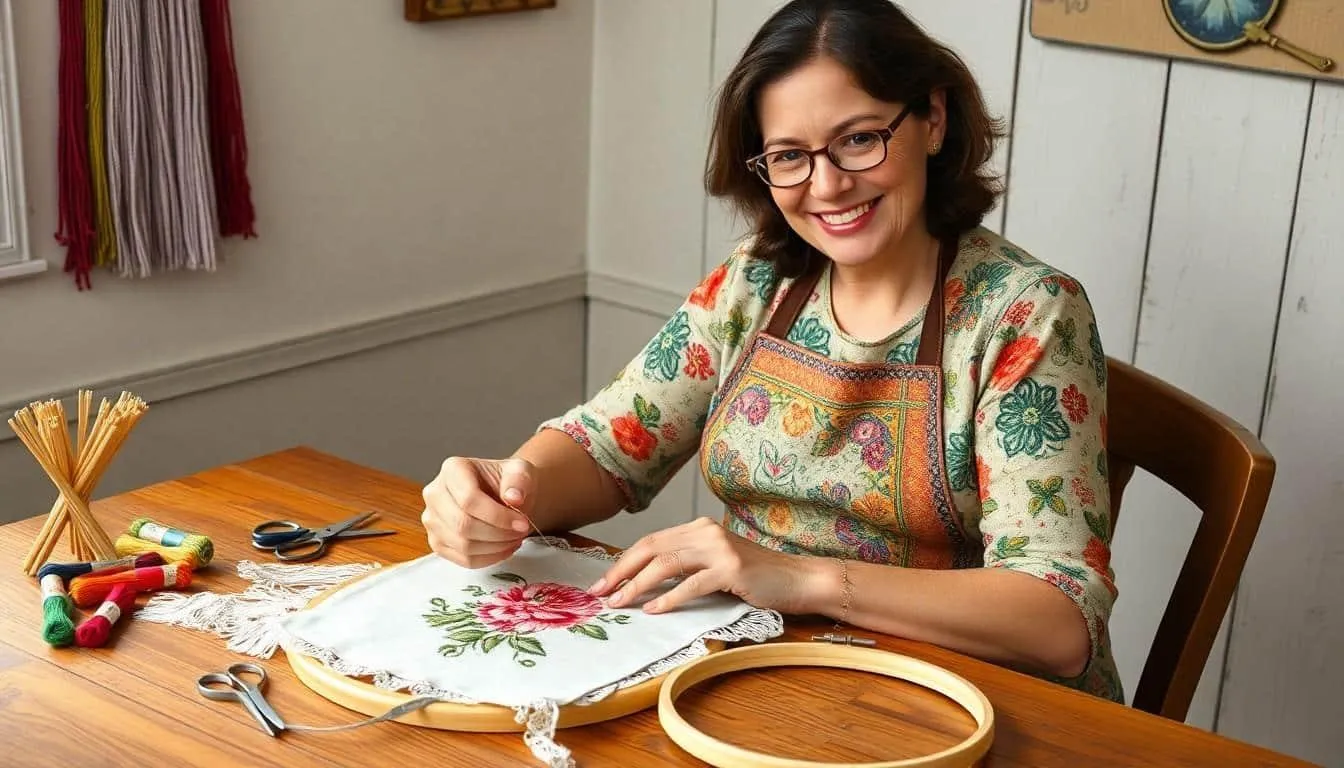
Starting embroidery is an exciting journey, but choosing the right embroidery kit can make all the difference. With so many options available, beginners often wonder which kit is easiest to use, what tools are essential, and how to avoid buying low-quality supplies.
The good news is that a well-designed embroidery kit removes much of the guesswork. Instead of purchasing materials separately, you receive everything you need to complete your first project while learning essential stitching techniques along the way.
In this guide, we’ll explain what makes a great beginner embroidery kit, what features to look for, and how to choose one that matches your skill level.
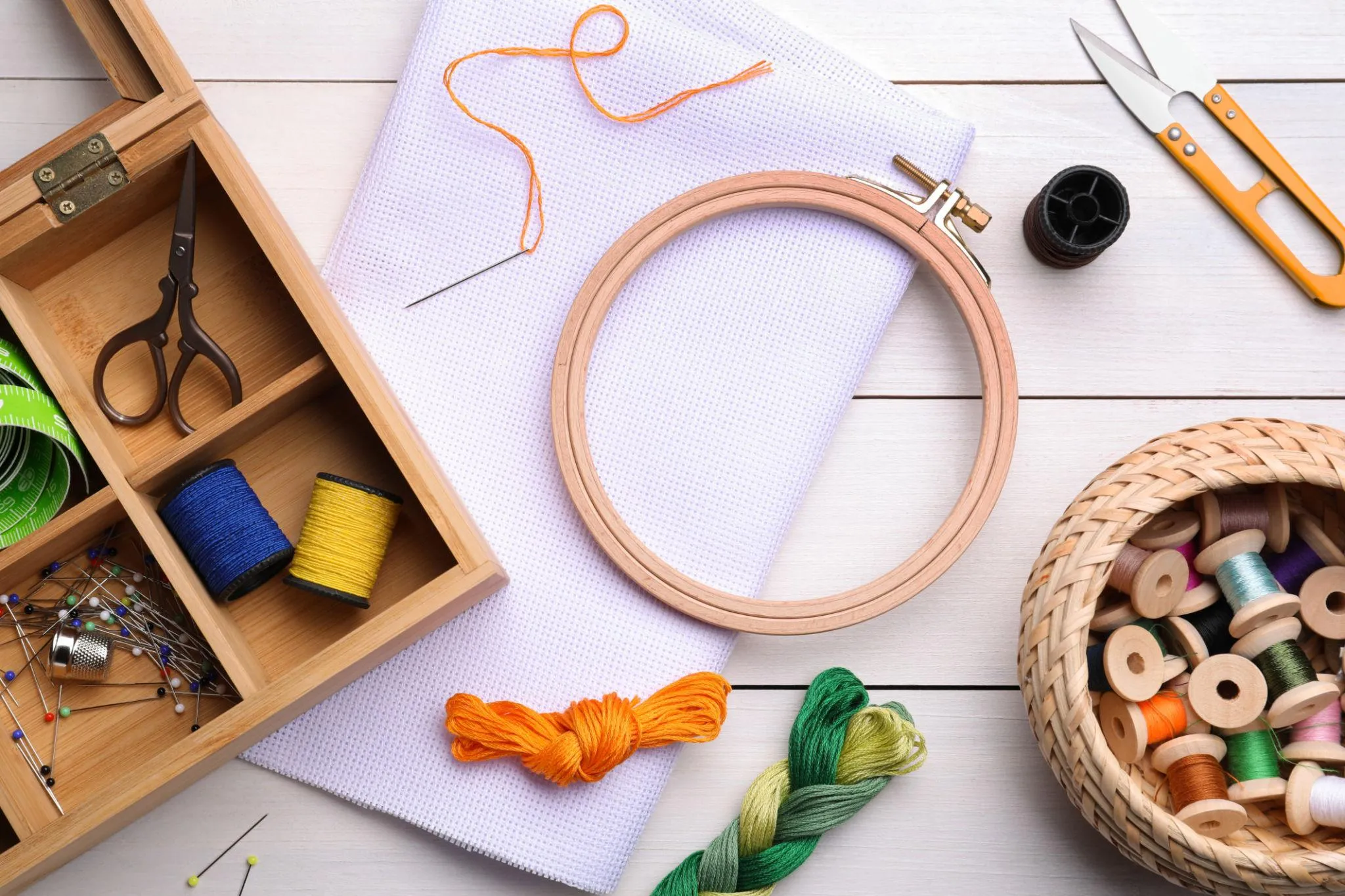
Why Choose an Embroidery Kit Instead of Buying Supplies Separately?
If you’re new to embroidery, purchasing individual tools can be confusing. Different fabrics, needles, thread types, and hoop sizes may leave beginners unsure of where to start.
A beginner embroidery kit solves this problem by providing carefully selected materials that work together.
Benefits include:
- Everything you need in one package
- Beginner-friendly instructions
- Matching thread colors
- Pre-selected fabric
- Easy-to-follow patterns
- Better value than buying supplies individually
Most importantly, embroidery kits allow beginners to focus on learning rather than shopping for materials.
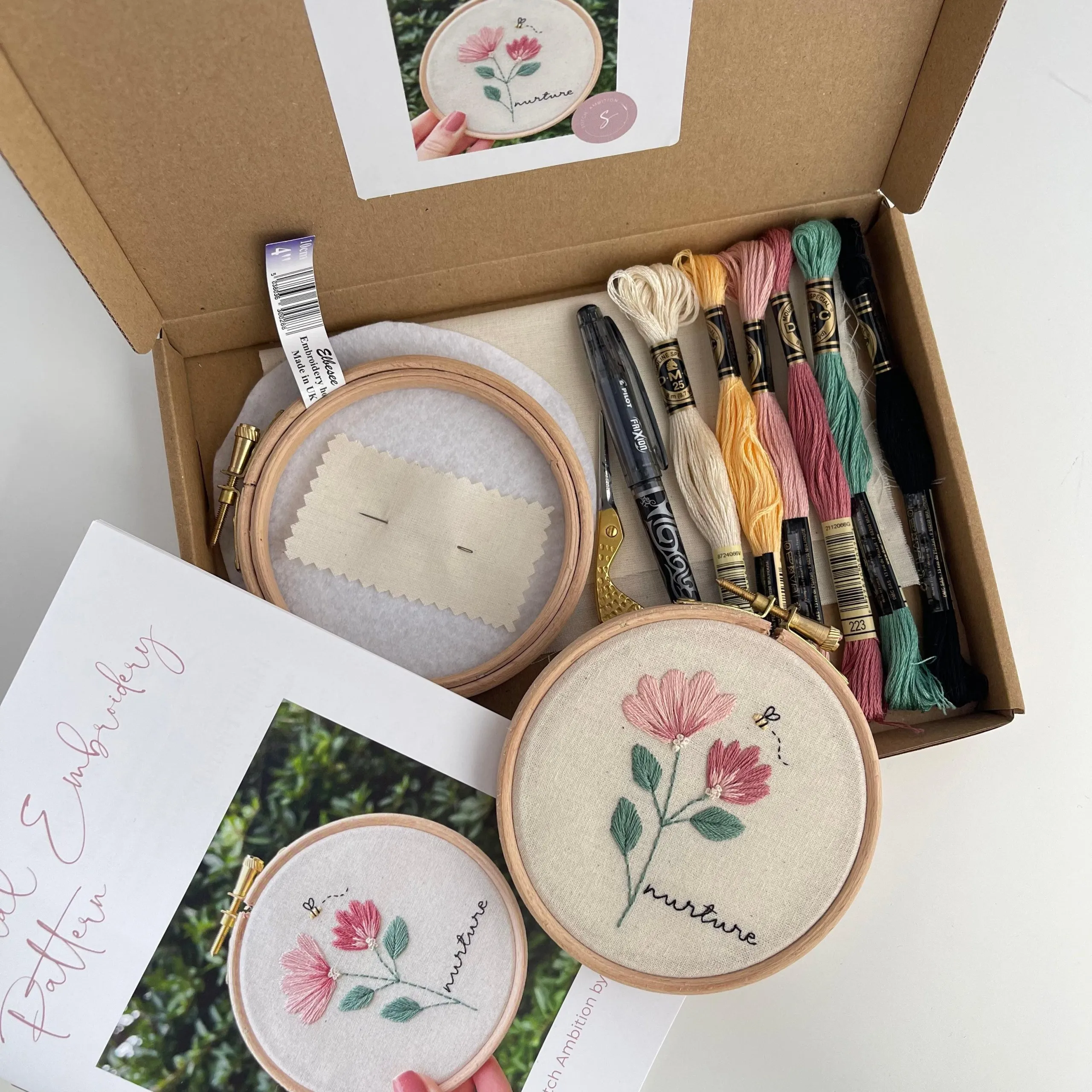
What Should a Good Beginner Embroidery Kit Include?
Not all embroidery kits are created equal. A quality starter kit should include tools that make learning enjoyable and frustration-free.
1. Embroidery Hoop
A sturdy embroidery hoop keeps your fabric tight while stitching.
Look for:
- Smooth wooden or bamboo hoops
- 6–8 inch diameter
- Easy-to-adjust metal screw
A quality hoop makes it easier to maintain even stitches throughout your project.
2. Pre-Printed Fabric
For beginners, printed fabric is one of the biggest advantages.
The design is already transferred onto the fabric, allowing you to focus entirely on stitching rather than tracing patterns.
Choose kits with:
- Washable printed patterns
- Clear outlines
- Beginner-friendly floral or geometric designs
3. Embroidery Floss
Good embroidery floss should feel soft, smooth, and resistant to tangling.
A beginner kit should include:
- Multiple coordinated colors
- High-quality cotton floss
- Enough thread to complete the project
4. Embroidery Needles
Embroidery needles have larger eyes, making them much easier to thread.
A good kit should include several needles in case one becomes damaged or misplaced.
5. Detailed Instruction Guide
The best embroidery kits include step-by-step instructions with clear illustrations.
Even better are kits that explain:
- Basic stitches
- Thread organization
- Needle threading
- Stitch direction
- Finishing techniques
Some modern kits also include QR codes linking to video tutorials, making learning even easier.
6. Practice-Friendly Pattern
Simple patterns build confidence.
Ideal beginner designs include:
- Flowers
- Leaves
- Simple landscapes
- Hearts
- Butterflies
- Minimalist line art
Avoid highly detailed portraits or complex embroidery until you’ve mastered the basics.
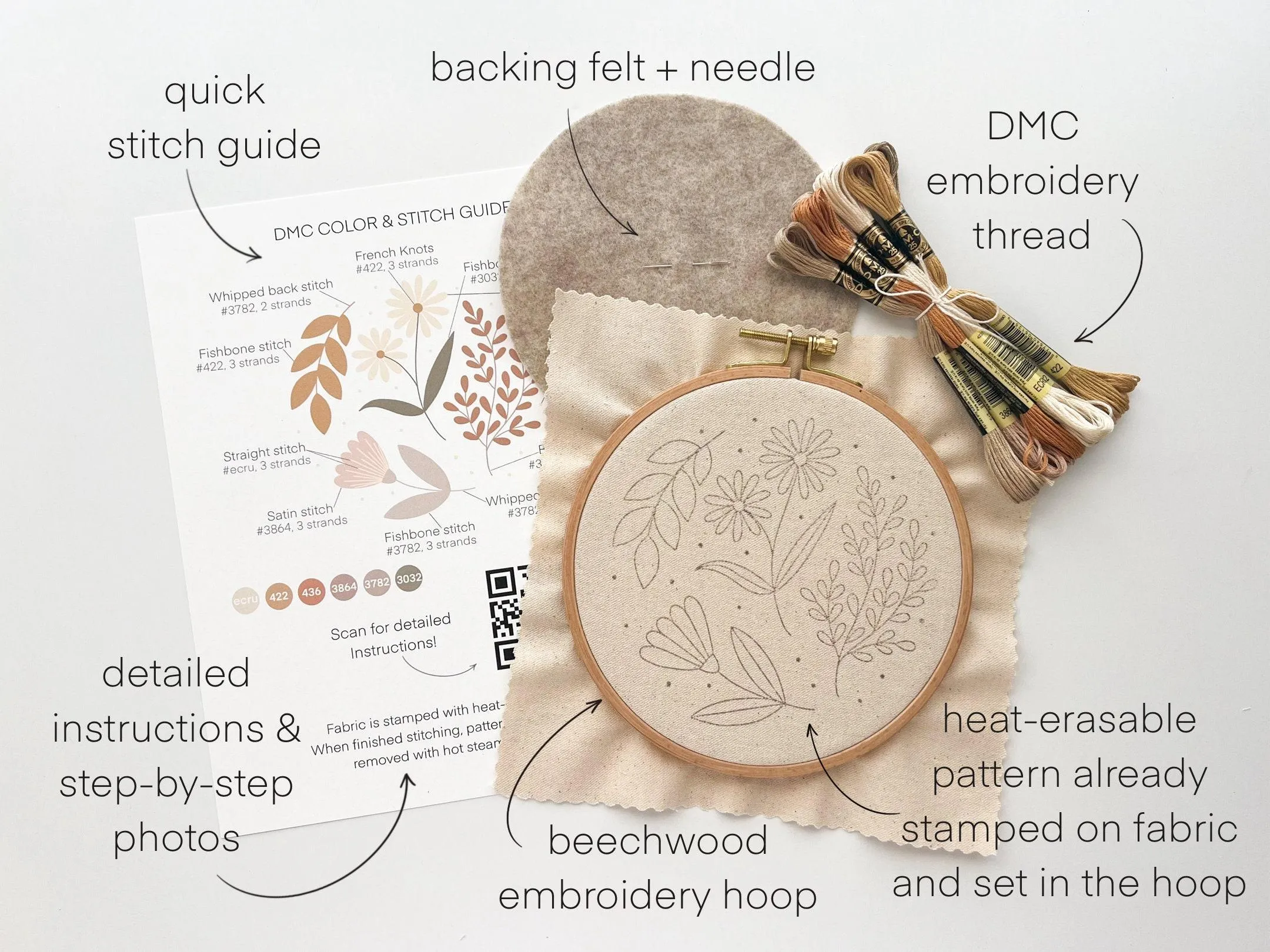
Best Types of Embroidery Kits for Beginners
Different kits suit different interests. Here are some of the most popular options.
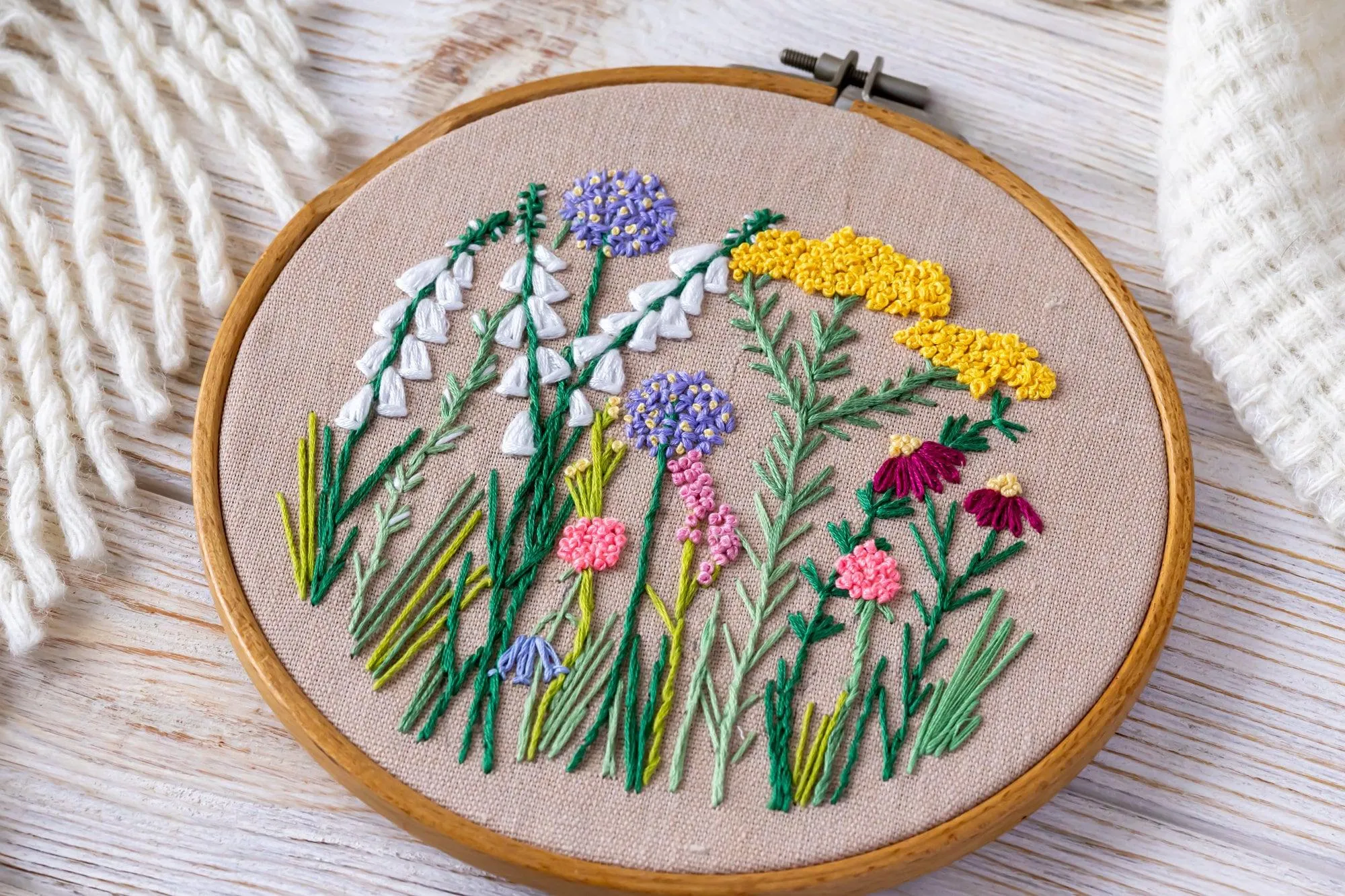
Floral Embroidery Kits
Floral patterns are among the easiest and most enjoyable for beginners.
They teach essential stitches such as:
- Stem Stitch
- Satin Stitch
- Lazy Daisy
- French Knot
These versatile techniques can later be applied to many other projects.
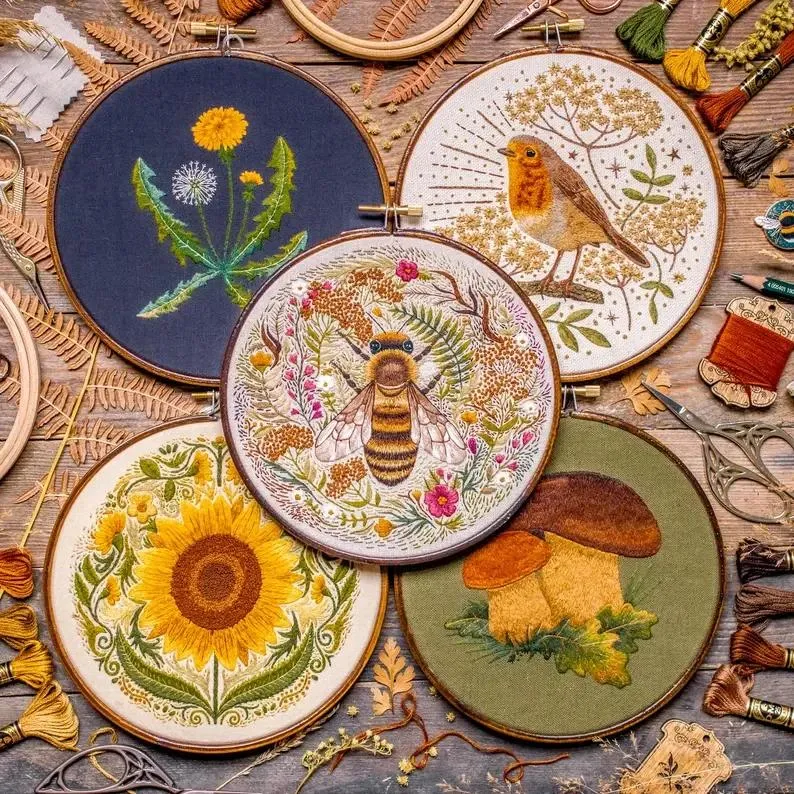
Animal Embroidery Kits
Cute animals provide an engaging challenge without becoming overly complicated.
Popular designs include:
- Cats
- Birds
- Foxes
- Rabbits
- Butterflies
These projects are especially popular as handmade gifts.
Botanical and Nature Kits
Nature-inspired embroidery remains one of today’s biggest crafting trends.
Simple leaves and branches help beginners practice curved lines and consistent stitch spacing.
Modern Minimalist Kits
Minimalist embroidery uses clean lines and fewer stitches, making it perfect for complete beginners.
These designs also fit beautifully into modern home décor.
Seasonal Embroidery Kits
Holiday-themed kits keep embroidery fun throughout the year.
Popular themes include:
- Christmas ornaments
- Halloween decorations
- Easter patterns
- Valentine’s Day gifts
- Autumn leaves
- Winter wreaths
Seasonal projects also make thoughtful handmade gifts.
How to Choose the Right Embroidery Kit
Before purchasing your first kit, consider these important factors.
Skill Level
Look specifically for kits labeled:
- Beginner
- Easy
- Level 1
Avoid intermediate or advanced kits until you’ve completed a few simple projects.
Project Size
Smaller projects provide quicker success and help maintain motivation.
A project that can be completed in a weekend is ideal for beginners.
Quality of Materials
High-quality materials make embroidery significantly more enjoyable.
Check whether the kit includes:
- Cotton fabric
- Durable embroidery hoop
- Colorfast thread
- Sharp embroidery needles
Better materials produce cleaner results and last longer.
Clear Instructions
Instructions should explain not only what to do but also why each step matters.
Illustrated guides and video tutorials are especially helpful for first-time stitchers.
Common Mistakes When Buying Your First Embroidery Kit
Many beginners accidentally purchase kits that are too difficult or poorly made.
Avoid these common mistakes:
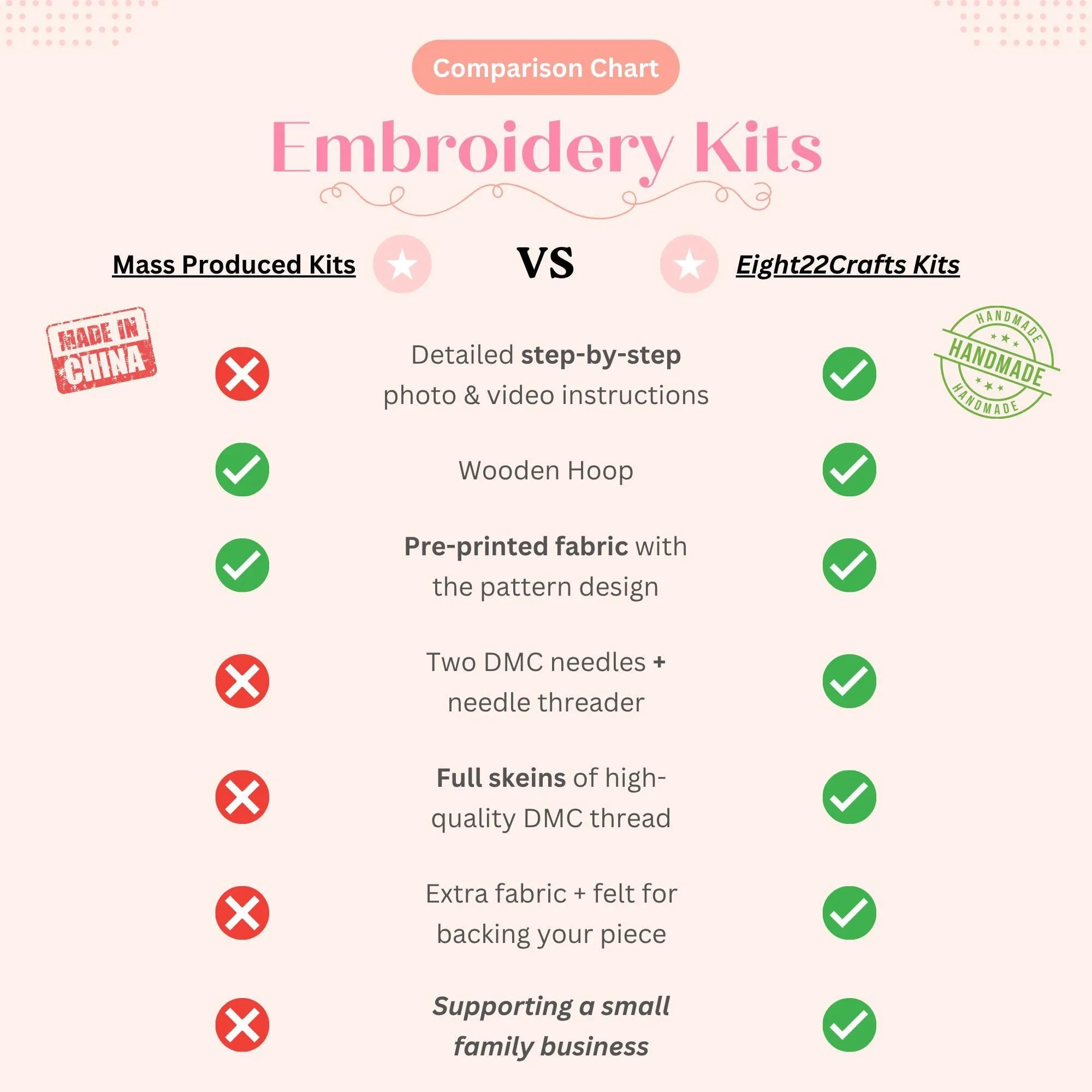
Choosing the Cheapest Kit
Low-cost kits often include thin fabric, low-quality thread, and unclear instructions.
A slightly higher-quality kit usually offers a much better learning experience.
Buying an Advanced Pattern
Intricate embroidery may look beautiful, but it can quickly become frustrating.
Simple designs build confidence faster.
Ignoring What’s Included
Always check the contents before purchasing.
Some kits may not include:
- Hoop
- Scissors
- Thread organizer
- Needle threader
Knowing exactly what’s included helps you avoid surprises.
Expecting Perfection
Your first project won’t be flawless—and that’s perfectly normal.
Every completed project teaches new skills and improves your confidence.
Tips for Getting the Most Out of Your Embroidery Kit
Once you’ve chosen your kit, a few simple habits can help you learn more effectively.
- Read the instructions before making your first stitch.
- Practice each stitch on scrap fabric first.
- Keep your thread organized to prevent tangles.
- Work in good natural lighting whenever possible.
- Take breaks during longer stitching sessions.
- Store your tools in a dedicated craft box.
Embroidery is a skill that improves steadily with patience and regular practice.
Frequently Asked Questions
Are embroidery kits worth buying?
Absolutely. Embroidery kits are one of the easiest and most affordable ways for beginners to start learning because they include all the essential materials in one package.
How long does it take to finish a beginner embroidery kit?
Most beginner projects can be completed within 4 to 10 hours, depending on the design and your stitching pace.
What age is suitable for embroidery kits?
Many beginner kits are suitable for teenagers and adults. Younger children can also enjoy embroidery with adult supervision and age-appropriate tools.
Can I reuse the embroidery hoop?
Yes. Wooden embroidery hoops are reusable and can be used for future projects or even displayed as decorative frames for finished embroidery.
Final Thoughts
Choosing the right embroidery kit is the easiest way to begin your embroidery journey with confidence. A thoughtfully designed starter kit provides the tools, guidance, and practice you need to develop essential stitching skills while enjoying the creative process.
As you complete your first few projects, you’ll become more comfortable experimenting with new stitches, fabrics, and patterns. Before long, you’ll be creating personalized gifts, home décor, and handmade accessories that reflect your own unique style.
Ready to begin? Explore our collection of beginner embroidery kits, premium embroidery hoops, colorful embroidery floss, and DIY craft supplies—carefully curated to help every new stitcher enjoy a smooth and rewarding introduction to embroidery.
About the author : ladybuys

Related posts
Popular products
-
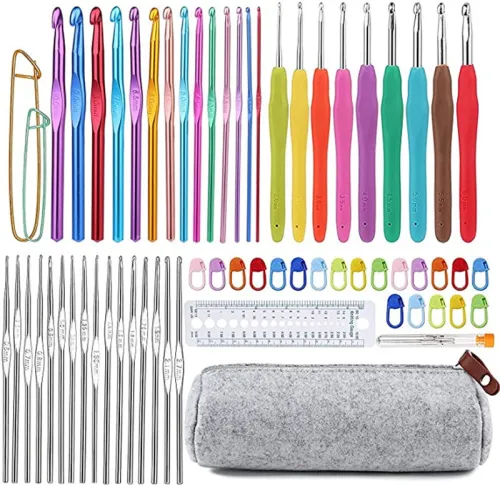 72-Piece Crochet Tool Set
Original price was: $29.90.$25.90Current price is: $25.90.
72-Piece Crochet Tool Set
Original price was: $29.90.$25.90Current price is: $25.90.
-
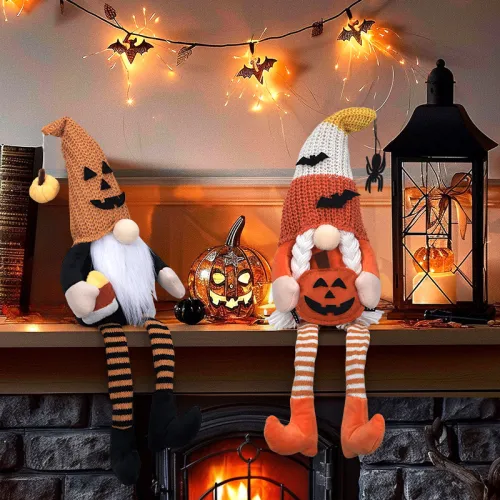 Halloween Long-Legged Faceless Doll
Original price was: $21.90.$11.90Current price is: $11.90.
Halloween Long-Legged Faceless Doll
Original price was: $21.90.$11.90Current price is: $11.90.
-
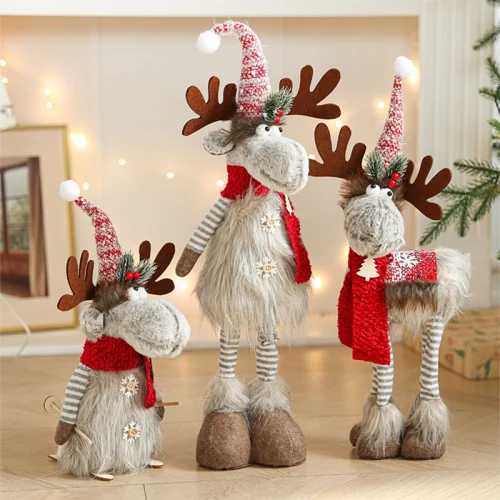 Cartoon Reindeer Christmas Ornament
Price range: $25.00 through $39.00
Cartoon Reindeer Christmas Ornament
Price range: $25.00 through $39.00
-
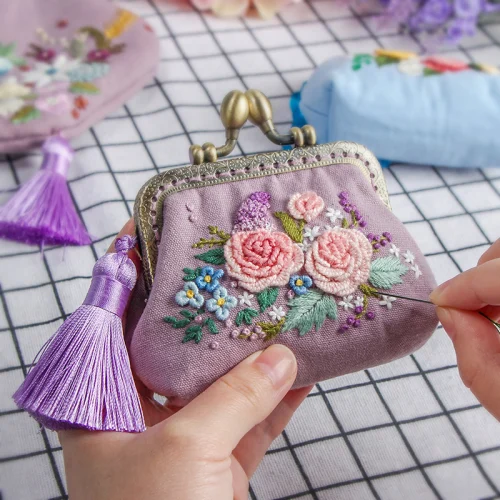 DIY Handmade Coin Purse Embroidery Kit
Original price was: $16.90.$9.90Current price is: $9.90.
DIY Handmade Coin Purse Embroidery Kit
Original price was: $16.90.$9.90Current price is: $9.90.
